
🇯🇵
有楽亭八雲
Popular · 1.4K community favorites
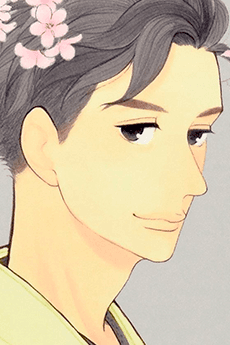
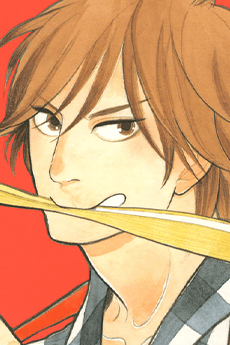
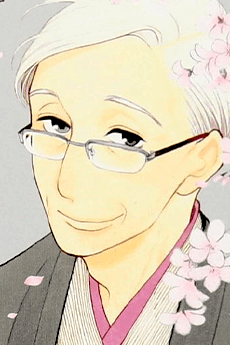
Yakumo Yuurakutei, born Kikuhiko and nicknamed Bon, originally trained as a dancer. A childhood injury to his leg ended that career, so his mother, a geisha, sent him to study rakugo, a traditional Japanese form of comic storytelling performed solo, kneeling on a cushion. He trained under the Seventh Generation Yakumo alongside another boy who had shown up out of nowhere and been accepted on a whim, a free spirit who would later take the stage name Sukeroku.
Where Sukeroku's rakugo bursts with raw passion, Kikuhiko's performances start out stiff and technically correct but emotionally flat, even though he can memorize any story with ease. He spends years searching for his own voice, eventually finding it in bawdy, playful stories where he discovered a surprising talent for performing convincing female characters.
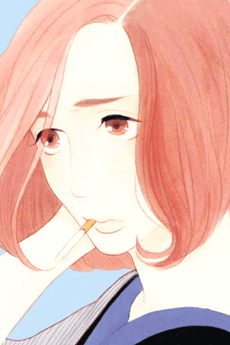
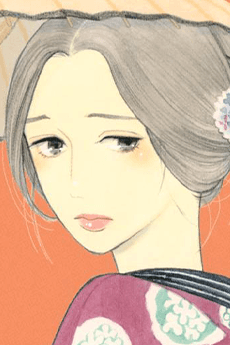
Kikuhiko and Sukeroku grow into lifelong friends who promise each other to protect the art of rakugo in their own ways, Sukeroku by changing with the times and Kikuhiko by staying true to tradition, but Sukeroku's early death leaves Kikuhiko carrying that promise alone. He eventually takes the name Yakumo and becomes head of the rakugo performers' association, refusing to accept any apprentice until an ex-convict named Yotarou finally earns his trust. Yakumo also becomes the reluctant guardian of Sukeroku's daughter, Konatsu, who resents him for years, and he shares a complicated, on-and-off romance with Miyokichi that ends painfully when he turns her away.
On screen
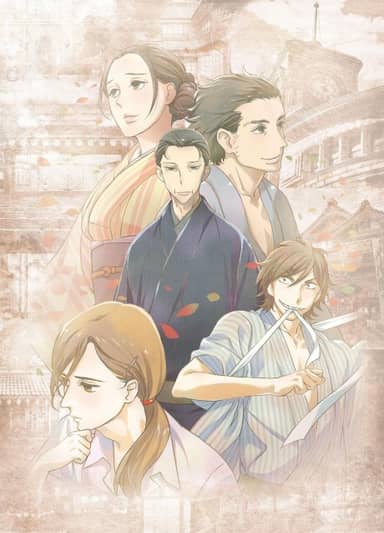
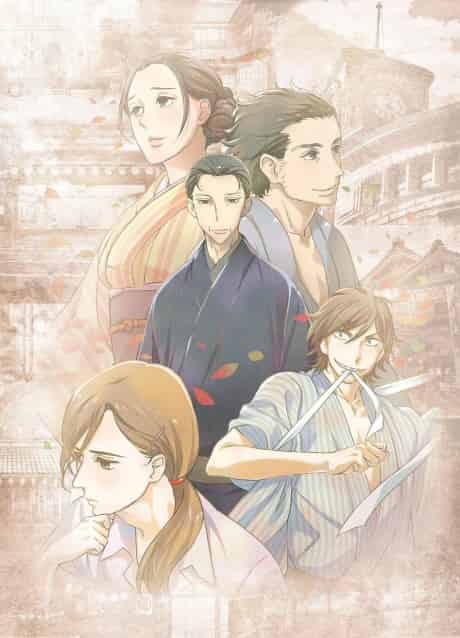
Showa Genroku Rakugo Shinju is a quiet, beautiful drama about a very old Japanese art. Rakugo is a kind of comic storytelling. One performer kneels alone on a cushion on a small stage. Using only a fan and a cloth, he plays every role in a long story, changing his voice and face for each person. The anime is based on a manga by Haruko Kumota that ran in the magazine Itan from 2010 to 2016. The manga won the Kodansha Manga Award. Studio Deen made the anime, and this first season aired in early 2016 with 13 episodes. The very first episode is extra long, about twice the normal length. The story begins after a man gets out of prison. He was a small-time gangster, but in prison he saw a show by Yakumo Yurakutei, the most famous rakugo master in Japan. Yakumo's performance of a story about a god of death moved him deeply. So, on the day he is free, he goes straight to Yakumo and begs to become his student. Yakumo is cold and has never taken a student before. Still, to everyone's surprise, he says yes. He gives the young man the stage name Yotaro, a word for a silly or foolish fellow. Yotaro is loud, kind, and eager, the opposite of his serious teacher. Very soon, the show turns back in time. Most of the season is told as Yakumo's own life story. We go back to the years around World War II, when Yakumo was a young boy named Kikuhiko. He was sent to train in rakugo because a leg injury meant he could not become a dancer. On the same day, he met another boy, Hatsutaro, who later takes the stage name Sukeroku. The two grow up together as students of the same master. Kikuhiko is shy, careful, and elegant. Sukeroku is wild, funny, and loved by every crowd. They are best friends, but they are also rivals, and their very different styles shape their whole lives. A woman named Miyokichi also enters their story and changes it. The show treats rakugo with great respect. Long scenes let the characters perform full stories on stage. The camera stays close on their faces and hands, and the voice actors give amazing performances. Akira Ishida plays Yakumo, Koichi Yamadera plays Sukeroku, and Megumi Hayashibara plays Miyokichi. Watching these scenes, you can see why people once loved this art so much. You also see the fear that rakugo might die out as movies and TV become popular after the war. This is an adult story with mature feelings. It is about friendship, jealousy, love, pride, and the price of chasing your art. It moves slowly and feels like a stage play, and one critic called it a tragedy made on purpose to feel theatrical. The mood is often sad, but it is also warm and full of small jokes. If you enjoy deep character drama and history, this series is a rare treasure, and its story continues in a second season, Descending Stories.
Cast
Aniwik News
About Attack on Titan
About Yona of the Dawn+1
About Demon Slayer: Kimetsu no Yaiba Infinity Castle+3
From the same world
From the same world