Tetsuya Chiba, the manga artist behind Tomorrow's Joe, has died at 87
Chiba died in a Tokyo hospital on October 22, Kyodo News reported on October 27. The boxing saga he began in Weekly Shonen Magazine in 1967 became two TV anime and earned him, in 2024, Japan's Order of Culture.
The artist who gave manga one of its most famous boxers is gone. Tetsuya Chiba, creator of Tomorrow's Joe, died in a Tokyo hospital during the afternoon of October 22, Kyodo News reported five days later. He was 87. His cause of death has not been disclosed, nor have any memorial arrangements.
There had been signs of trouble. Back in September, Shogakukan's Big Comic paused Hinemosu Notari Nikki, the diary-style strip Chiba had drawn there since 2015, citing his condition.
From Manchuria to Shonen Magazine
Chiba was a Tokyo native who spent part of his boyhood in what was then Manchuria, in China's northeast, returning to Japan once the war ended. His first published work appeared in 1956.
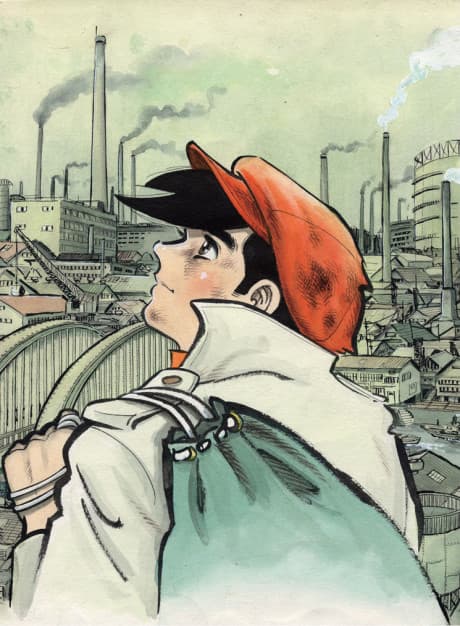
His landmark began running in Weekly Shonen Magazine at the end of 1967. Ashita no Joe tracked the ring career of Joe Yabuki and his feud with Toru Rikiishi, and its following swelled into something bigger than a manga readership, a nationwide phenomenon. Through the 1970s and after, he moved mostly toward campus and sports stories, among them Ore wa Teppei, Notari Matsutaro and Ashita Tenki ni Nare. Other titles include Chikai no Makyu, Shiden Kai no Taka and Harris no Senpu.
Joe on screen
Television animation brought Joe to living rooms twice. Mushi Production's version debuted April 1, 1970 and lasted 79 episodes; ten years later Tokyo Movie Shinsha made Tomorrow's Joe 2, which began in October 1980 and totaled 47.
Teacher, chairman, laureate
In his later career Chiba worked on behalf of other cartoonists too. For six years, 2012 through 2018, he led the Japan Cartoonists Association as its chairman. Between 2005 and 2022 he was on the faculty of Utsunomiya's Bunsei University of Art, eventually becoming the school's president. Some of his original pages are now held by Japan's Agency for Cultural Affairs.
Official recognition came steadily: a Medal with Purple Ribbon in 2002, the Order of the Rising Sun a decade later, Person of Cultural Merit status in 2014, and in 2024 the Order of Culture, the nation's top honor in the arts.
Drawing ran in the family. One younger brother, Akio Chiba, also became a manga artist, and another wrote manga stories.