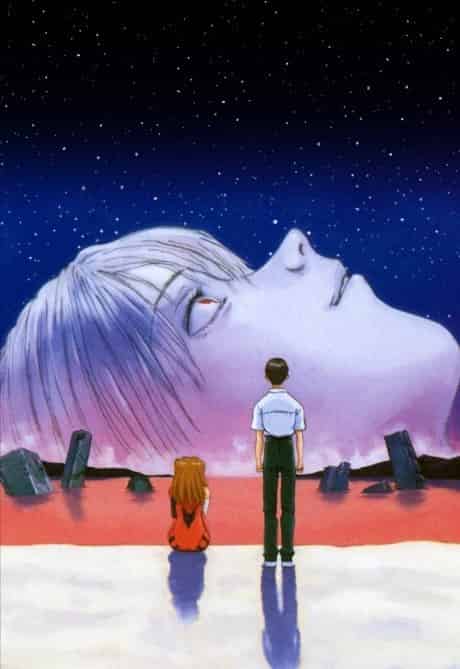
FinishedSummer 1997
Neon Genesis Evangelion: The End of Evangelion
8.60Movie1h 27m
About
Synopsis
The End of Evangelion is a 1997 anime film and one of the most famous anime movies ever made. It came out in Japan on July 19, 1997, and runs about 87 minutes. Hideaki Anno, the creator of Neon Genesis Evangelion, wrote it and served as chief director. Kazuya Tsurumaki directed the first half, and Anno directed the second. Studios Gainax and Production I.G made the film, and Toei released it in theaters.
To understand why this movie exists, you need to know about the TV show. Neon Genesis Evangelion aired in 1995 and 1996. Its last two episodes were very unusual. They took place mostly inside the characters' minds and did not show what happened in the outside world. Many fans were confused or upset, and they wanted a clearer ending. The End of Evangelion answers that call. It retells the story of the final two episodes, this time showing the events in the real world. The film is split into two parts, called "Air" and "Sincerely Yours," which are treated like new versions of episodes 25 and 26.
The story is set in a future Japan after a huge disaster. A group called NERV uses giant robots, called Evangelions or Evas, to fight strange creatures known as Angels. Teenagers pilot the Evas. Now the Angels are gone, but a new danger has arrived. SEELE, a secret group that has been controlling NERV from the shadows, turns on it and sends soldiers to attack its base. SEELE wants to carry out its own plan, called the Human Instrumentality Project, which would change the fate of all people.
The young pilots are in no shape to fight. Shinji Ikari, the main character, is lost in fear and sadness and can barely act. Asuka Langley Soryu, a proud and talented pilot, has fallen into a coma after a breakdown. Rei Ayanami, a quiet and mysterious girl, has close ties to Shinji's cold father, Gendo, the head of NERV. Misato Katsuragi, the NERV officer who looks after Shinji, races through the base to find him and get him into his Eva before it is too late.
This is not an easy film to watch. It is violent, sad, and often very strange, with dream-like scenes and lots of religious images. It deals with loneliness, fear of other people, and the pain of growing up. It is best for adult viewers who have already seen the TV series. Shiro Sagisu wrote the music, and the film also uses pieces by Johann Sebastian Bach, plus the famous song "Komm, susser Tod," sung by Arianne.
The movie was a big success in Japan and earned about 2.47 billion yen. Critics praised its direction, editing, and emotional power, though some found its symbols hard to understand. It won the Animage Anime Grand Prix in 1997, and today it is often listed among the greatest animated films of all time.
Cast
Characters

Asuka Langley Souryuu
惣流・アスカ・ラングレー
 Yuuko Miyamura

Rei Ayanami
綾波レイ
 Megumi Hayashibara
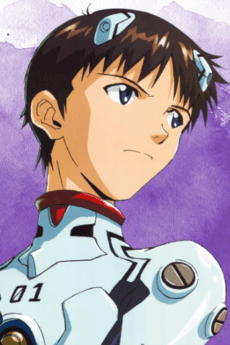
Shinji Ikari
碇シンジ
 Megumi Ogata

Misato Katsuragi
葛城ミサト
 Kotono Mitsuishi
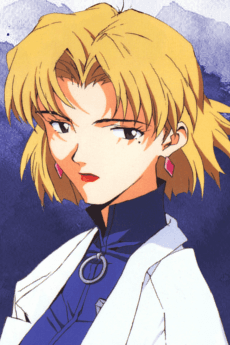
Ritsuko Akagi
赤木リツコ
 Yuriko Yamaguchi

Shigeru Aoba
青葉シゲル
 Takehito Koyasu
Community
Reviews
No reviews yet
Be the first to share your thoughts about Neon Genesis Evangelion: The End of Evangelion.