FinishedWinter 2017
Descending Stories: Showa Genroku Rakugo Shinju
About
Synopsis
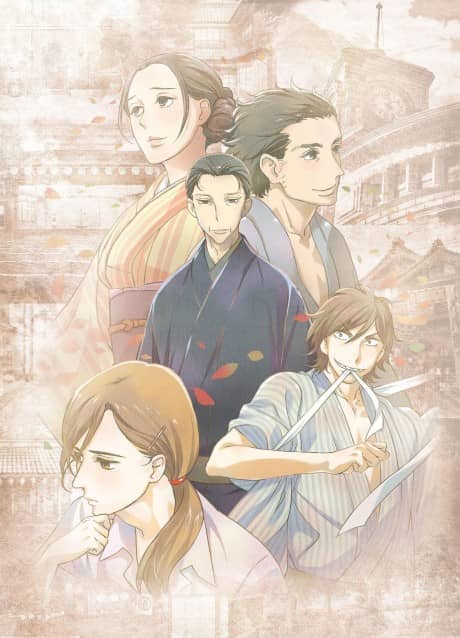
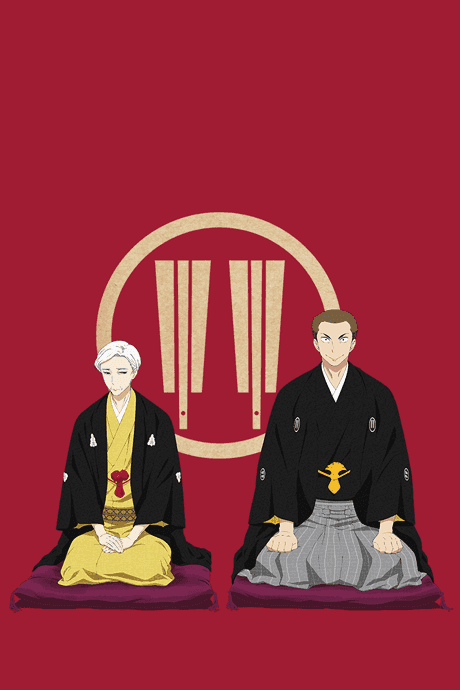
Rakugo is an old Japanese art of telling stories. One person sits alone on a cushion on a small stage. With only a fan and a cloth as props, the storyteller plays every character in a long, funny, or sad tale. Descending Stories: Showa Genroku Rakugo Shinju is a drama about the people who give their whole lives to this art. This second season, called Sukeroku Futatabi-hen (roughly "Sukeroku Again"), aired in Japan from January 7 to March 25, 2017. It was made by Studio Deen and finishes the story that began in the first season in 2016.
The series is based on a manga by Haruko Kumota. It ran from 2010 to 2016 in Itan, a Kodansha magazine for adult women readers, and was collected in 10 volumes. The manga won the Kodansha Manga Award for Best General Manga and an Excellence Award at the Japan Media Arts Festival. Kumota also later won a new creator prize at the Tezuka Osamu Cultural Prize.
The first season opened with a young man named Yotaro. He came out of prison with one dream. While inside, he had watched the great storyteller Yakumo Yurakutei perform, and he never forgot it. He went to Yakumo and asked to become his student. Most of that season then looked back in time. It told how Yakumo, once a shy young man named Kikuhiko, trained side by side with his close friend Sukeroku, a bold and free performer, and how their lives were tied to a former geisha named Miyokichi.
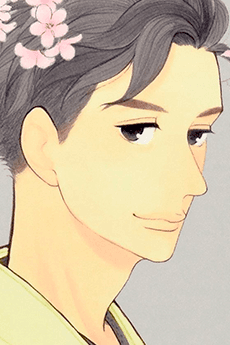
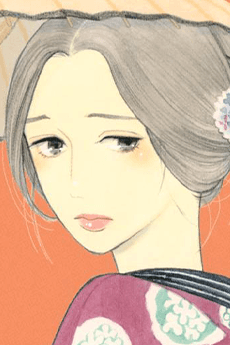
This season comes back to the present day. Years of hard work have paid off for Yotaro. He reaches shin'uchi, the top rank a rakugo performer can earn, and he takes the stage name Sukeroku, the name once held by Yakumo's lost friend. Now he must find his own way to perform under that heavy name. Konatsu, Sukeroku's daughter, is also at the center of the story. She loves rakugo and learned her father's style, but women were not welcome on the rakugo stage in that time, and she has long been angry at Yakumo. Yakumo himself is now old. He is the most respected storyteller alive, yet he feels that rakugo may die with him, and he is not sure he wants to save it.
The show is slow, quiet, and serious, with an adult cast. Much of each episode shows full rakugo performances, so the viewer watches a story inside a story. It looks at big questions in a gentle way: how an old art can stay alive in a modern world, how teachers pass on what they know, and how people carry guilt and love for many years. It also shows real problems in the characters' lives, such as family trouble and a pregnancy, without turning them into simple melodrama.
The Showa era (1926 to 1989) gives the story its old-fashioned look, with small theaters, kimono, and radio and TV slowly changing how people enjoy entertainment. Critics praised the series for its voice acting, especially the long performances, and Anime News Network gave the first season an A grade. For viewers who finished the first season, this is the ending that brings all of its threads together.
Cast
Characters
Community
Reviews
No reviews yet
Be the first to share your thoughts about Descending Stories: Showa Genroku Rakugo Shinju.