
🇯🇵
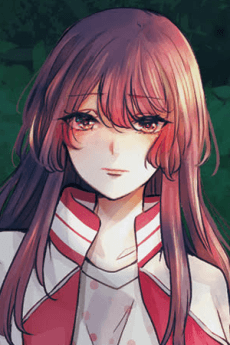
及川奏音
Well-Known · 180 community favorites
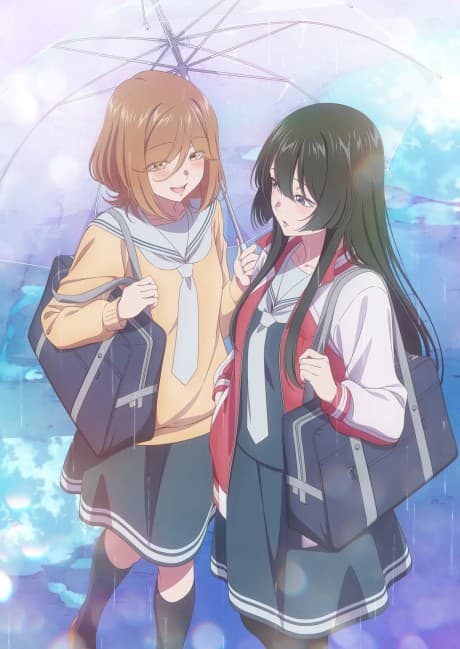
Kanon Oikawa is one of the two central characters of The Moon on a Rainy Night, first noticed by her classmate Saki Kindaichi on the way to a piano lesson, long before either of them realizes they will end up in the same class once high school starts. Kanon is hard of hearing, which means she is not completely unable to hear, but relies on a hearing aid, a quiet room, and being able to see the other person's lips to follow a conversation comfortably.
Because of this, and because of how carelessly some classmates and teachers have treated her in the past, Kanon tends to keep people at arm's length rather than risk being misunderstood or dismissed again. She comes across as reserved and a little closed off at first, protecting herself by not expecting too much from the people around her.
Saki's quiet, steady effort to actually include her, rather than pity her or ignore her, is what starts to change things. Little by little, Kanon lowers her guard around Saki, and their growing closeness becomes the heart of the story. Through that bond, Kanon begins to open up in ways she had stopped expecting from anyone, discovering that being truly seen and heard does not have to depend on perfect hearing at all.
On screen
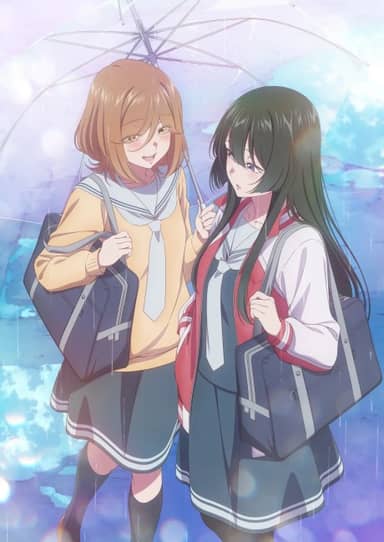
Amayo no Tsuki, known in English as The Moon on a Rainy Night, is a quiet and gentle love story between two high school girls. It is based on a manga by the artist Kuzushiro. The manga began in June 2021 on Comic Days, an online manga site run by the publisher Kodansha. Kodansha USA also prints it in English. The TV anime is made by the studio CompTown and is planned to start in 2027. Tomoe Makino is the director, Shougo Yasukawa writes the scripts, and the band Jizue makes the music. The main character is Saki Kindaichi, a bright and friendly girl who has just started her first year of high school. Saki has taken piano lessons since she was a small child, and music is a big part of her life. On her way to a lesson one day, she runs into a tall, pretty girl on the street. The girl helps her in a small, kind way and then walks off without a single word. Saki cannot stop thinking about her. Soon she learns that the girl is in her own class at school. That girl is Kanon Oikawa. Kanon has sensorineural hearing loss, a kind of hearing loss that comes from the inner ear or the nerves that carry sound to the brain. She wears a hearing aid, a small device that makes sounds louder. Kanon also played the piano once, but she gave it up in fifth grade, when her hearing began to fade. Now she keeps people at a distance. She does not want to be treated as different, and she turns down extra help from her teachers and classmates. To others, she can seem cold and hard to reach. Saki does not give up. Little by little, she keeps trying to talk with Kanon and to understand her world. The two girls slowly become friends, and the story follows how that friendship deepens over the school year. At the same time, Saki starts to feel something stronger than friendship. She is afraid to say it out loud, and she also finds it hard to show her own weak points to anyone. Kanon, for her part, worries about how other people see her and must decide whether she can let Saki in. A small group of supporting characters fills out their daily life, such as Kanon's younger sister Rinne, their classmate Erika Tomita, Saki's childhood friend Ayano Izumi, and their teacher Souma Miura. The tone is calm and tender rather than loud or dramatic. The story is a yuri romance, which means a love story between women, and it is also a coming-of-age tale about growing up and finding your place. Music, and especially the piano, links the two girls in a quiet way, since it is something both of them loved. One of the main ideas of the series is feeling unseen, and how two people can learn to truly see each other. It also shows everyday life with a disability in an honest and careful way, without making Kanon only a symbol. The manga has been well received. It was nominated twice for the Next Manga Awards, and it was put on the American Library Association's 2025 Rainbow Book List, a list of good books with LGBTQ+ stories. Critics have praised its kind and careful look at hearing loss, its slow and believable character growth, and its soft, lovely art. For viewers who enjoy gentle school romances, the anime looks like a warm and thoughtful series to watch.
Cast
Aniwik News
About Soshiki no Shukuteki to Kekkon Shitara Mecha Amai+3

About Sudachi no Maoujou
About Amayo no Tsuki
From the same world
From the same world