
🇯🇵
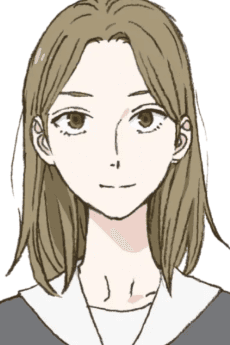
楢えみり
Emerging · 54 community favorites
Emiri Nara is the closest friend Asa Takumi makes after moving in with her aunt in Ikoku Nikki, becoming one of the steady, familiar presences in Asa's new and unfamiliar life. The two share classes together, and their friendship grows into the kind of easy, trusted bond that helps Asa adjust to everything she has lost and everything that is suddenly new.
As their friendship deepens, Asa eventually learns something personal about Emiri: she is a lesbian, currently dating another girl who happens to attend the same preparatory classes as the two of them. Rather than treating this as some kind of dramatic reveal, the story uses it as one more honest piece of who Emiri really is, something Asa simply comes to understand and accept as part of getting to know her friend more fully.
Emiri's openness about her own identity quietly mirrors the larger themes running through Ikoku Nikki, a story about people figuring out how to be honest about who they are and finding others willing to accept them without judgment. For Asa, still working through her own grief and sense of not quite belonging, having a friend like Emiri, someone comfortable enough to be fully herself, becomes a small but meaningful source of steadiness.
On screen
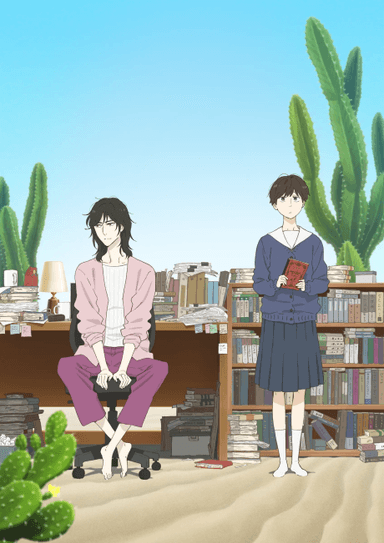
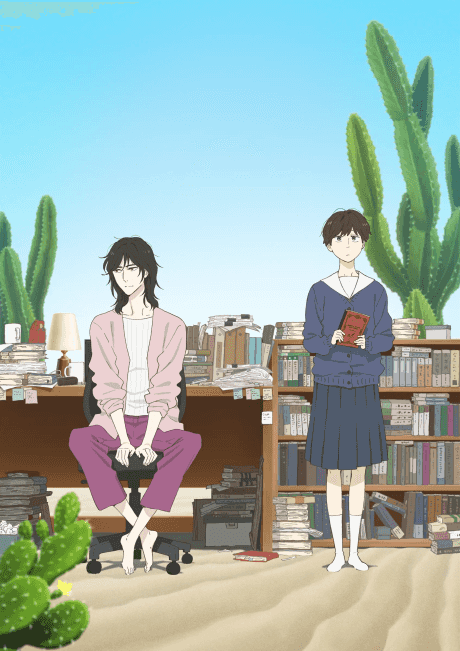
Journal with Witch (Ikoku Nikki) is a quiet family drama that many critics called the best anime of the Winter 2026 season. It aired from January 4 to March 29, 2026, with 13 episodes. The studio Shuka made it, Miyuki Oshiro directed it, and Kensuke Ushio wrote the music. It is based on a manga by Tomoko Yamashita that ran in the magazine Feel Young from 2017 to 2023. That manga topped Da Vinci magazine's Book of the Year list in 2023 and was also made into a live-action film in 2024. The story starts with a sudden loss. Asa Takumi is 15 years old when her mother and father die in a car accident. Her aunt, Makio Kodai, is 35 and writes novels for a living. Makio likes to be alone, and she had not been close to her older sister, Asa's mother. Still, at the funeral, she cannot stand to see the girl passed from one relative to another. So she offers to take Asa into her home. The two are very different. Asa is friendly and open, the kind of teen who wants people around her. Makio is honest to a fault, awkward with people, and used to quiet days of reading and writing. Living in the same small apartment is hard for both of them. Makio does not know how to act like a parent, and Asa does not yet know how to feel her own sadness. Makio gives Asa one piece of advice: keep a journal. Writing down what you feel, she says, can help you understand it. The title comes from this. The Japanese word ikoku means a foreign country, and the show often says that every person is, in a way, a foreign land that others can never fully enter. Around them is a small, warm cast. Nana Daigo is Makio's best friend since their teen years and is often the one who helps the two talk. Emiri Nara is Asa's best friend at school. Shingo Kasamachi is Makio's former boyfriend, who still comes around. Kazunari Tono is a lawyer who handles the family's legal matters. He seems clumsy and blunt, but he truly cares. Miyuki Sawashiro voices Makio, and Fuko Mori voices Asa. The show does not try to make the viewer cry with big scenes. Instead, it shows grief as something slow and strange. Sometimes Asa feels nothing, and sometimes a small thing hits her hard. It also looks at growing up, finding your own path, and what it means to be a family when you did not choose each other. Many scenes are just two people at a table, talking or not talking, and the soft art and music give these moments room to breathe. Reviews were very strong. All four Anime News Network reviewers gave the first episode a perfect or near-perfect score, and critics praised the writing, the art, the music, and the two lead voice actors. The show also won one of Japan's Galaxy Awards for March 2026. It is a good pick for anyone who enjoys gentle, honest stories about real life.
Cast
Aniwik News

About My Melody & Kuromi
About Saijaku na Boku wa "Kabenuke Bug" de Nariagaru: Kabe wo Surinuketara Shokai Clear Houshuu wo Mugen Kaishuu Dekimashita!
From the same world
From the same world