Tokyo court rules a voice can be protected by publicity rights while dismissing Kenjiro Tsuda's AI-clone suit
The Tokyo District Court threw out the Jujutsu Kaisen actor's takedown demand against TikTok's operator because the videos were already gone, but found for the first time that a person's voice can fall under the right of publicity.
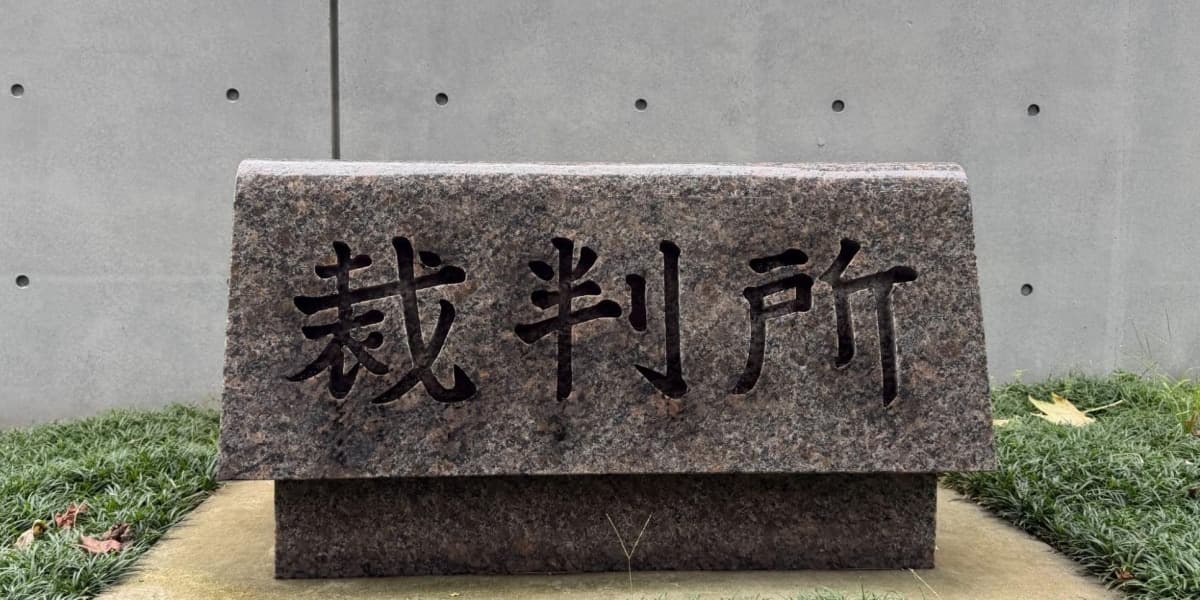
Kenjiro Tsuda lost his case against TikTok's operator and still came away with a precedent. On September 30, the Tokyo District Court rejected the voice actor's demand that the platform take down videos narrated by an AI imitation of his voice, yet in the same judgment it held that a person's voice can be shielded by the right of publicity. His legal team calls it the first Japanese ruling to say so explicitly.
What the court decided
Presiding Judge Aya Takahashi likened a voice to a portrait, treating both as markers of who a person is, AFP reported, and found that publicity rights apply when a voice is exploited purely for its commercial appeal. "The unauthorised use of a performer's voice … can be considered an infringement on publicity rights," she said.
The dismissal itself came down to timing. The account responsible had already vanished, so there were no videos left to order removed, and the court never ruled on whether this particular narration violated Tsuda's rights.
The account at the center
From July 2024 through September 2025, a single anonymous TikTok account uploaded at least 188 clips on topics such as conspiracy theories, the supernatural and urban myths, setting still images to synthetic narration. Its avatar looked like a Jujutsu Kaisen character Tsuda plays, and it gathered upwards of 210,000 followers. Whoever ran it claimed the voice came from an AI model trained on a friend.
Tsuda sued in November 2025, citing his publicity rights as well as Japan's unfair-competition law. He sought no money, although his complaint estimated the channel could bring in more than ¥500,000 monthly and argued that it took off only because it sounded like a famous actor. The user wiped the profile in late May 2026.
In court, TikTok's side described the narration as a "generic male voice" and called any likeness to Tsuda subjective. Following the decision, the company said it would examine the ruling before settling on a response.
Both sides can point to a win
Attorney Takashi Hirano told reporters the outcome "ended up making both sides look victorious." Tsuda's team says the suit achieved what it set out to do, since every clip is gone, and it has no plans to appeal.
The decision lands as Japanese performers push back against unauthorized digital copies of their voices. Actors launched the "No More" campaign against unapproved generative-AI imitation in 2024, and campaigner Bin Shimada warned AFP that unregulated cloning spreading across social platforms could devastate the profession.
Tsuda, 55, is best known to anime audiences for voicing Tatsu in The Way of the Househusband and Kento Nanami in Jujutsu Kaisen.